

Trauma isn’t predictable, but preparedness can save lives. When seconds count, what stands between adequacy and excellence is training that’s evidence-based, rigorous and respected. That’s where accredited trauma programmes like Advanced International Trauma Life Support (ITLS) and Prehospital Trauma Life Support (PHTLS) truly stand out.
In this post, we’ll walk through what these courses offer, how they differ from non-accredited options and why they’re worth considering for clinicians and first responders alike.

Why Choose an Accredited Course?
Many trauma workshops and seminars exist. Before diving into the specifics, it’s worth addressing what distinguishes an accredited trauma course:
Standardised Curriculum & Evidence Base
Accredited courses follow rigorous, peer-reviewed content and are regularly updated to reflect the latest developments in trauma science.
Instructor Qualification & Oversight
Certified instructors, often clinicians with trauma and emergency experience, deliver and supervise learning to ensure fidelity to standards.
Global Recognition & Credibility
Credentials from recognised bodies carry weight in hiring, credentialing, cross-border practice and interagency cooperation.
Rigorous Assessment & Quality Control
Such courses typically include mandated hands-on skills assessments, scenario-based evaluation, and quality assurance measures to maintain consistency.
Renewal, Continuing Education & Recertification
Accreditation bodies enforce periodic renewal to ensure knowledge and skills remain current.
In contrast, non-accredited trauma workshops may lack consistency, oversight or alignment with global best practices. They may be instructor-led, but without standard audit, updating or external validation. While such courses may serve as an introduction or refresher, they often fall short of being a professional credential and reliable assurance of competency.
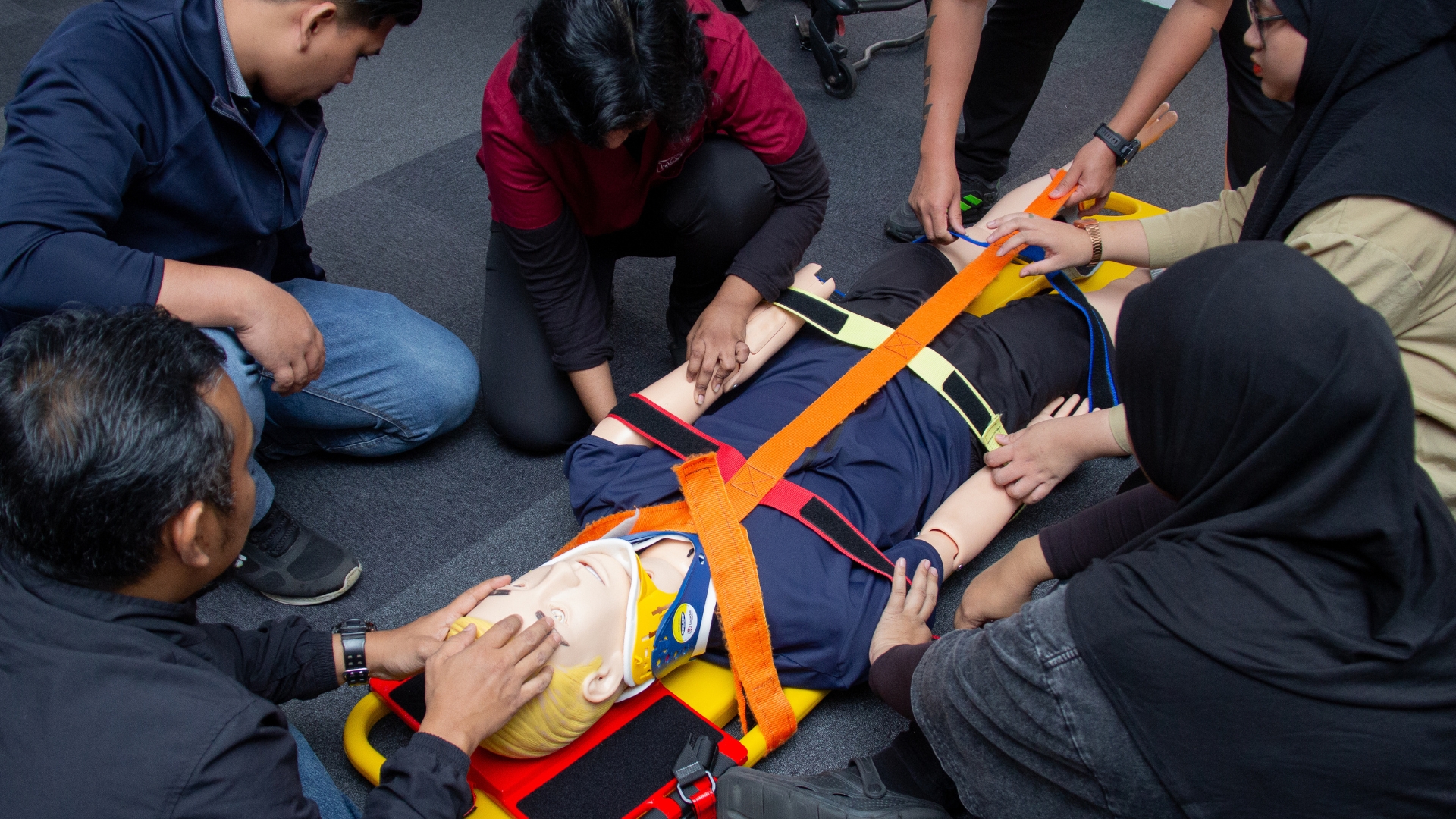
ITLS: A Structured Framework for Trauma
International Trauma Life Support (ITLS) is a globally recognised trauma training system. It aims to arm practitioners with a structured, evidence-based approach, from scene assessment through transport, prioritising life threats efficiently.
It is tailored for doctors, paramedics, emergency nurses, first responders and medical students seeking to deepen their competence in trauma management.
- ITLS is considered a gold standard in trauma management. Its credential is recognised across multiple jurisdictions, giving participants credibility and portability.
- The curriculum follows rigorous, peer-reviewed content and is updated regularly to reflect the latest in trauma science.
- The curriculum emphasises recognising injury mechanisms, applying a rapid structured trauma survey, identifying “load-and-go” cases, prioritising life threats and preparing safe transport.
- Includes hands-on practice with scenarios and simulations.
- Covers special groups like children, older adults, and pregnant patients.
- Certification is valid for 3 years, ensuring frequent skill refresh.
Because of these features, ITLS is especially useful for personnel who bridge prehospital and hospital settings to anyone involved in the continuum of trauma care.
Find out more about ITLS here.
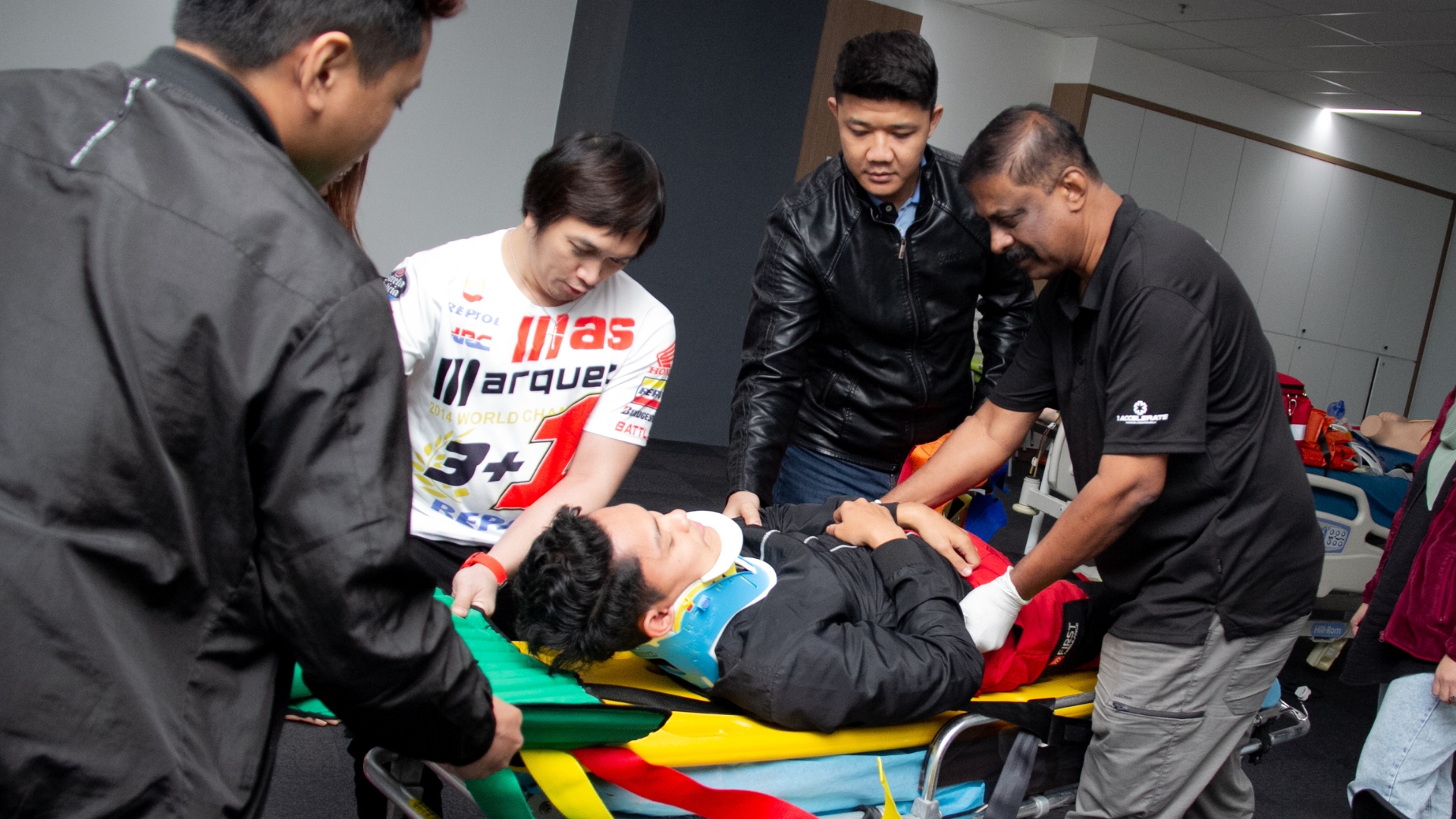
PHTLS: Mastering the Prehospital Environment
PHTLS (Prehospital Trauma Life Support) is developed by NAEMT in cooperation with the American College of Surgeons’ Committee on Trauma. It focuses specifically on trauma management before hospital arrival, where rapid judgments and interventions are vital.
- PHTLS certification is recognised in over 60 countries and is widely accepted as a benchmark for prehospital trauma care.
- PHTLS provides a comprehensive, systematic approach to trauma—assessment, interventions, team dynamics, transport decisions—tailored to prehospital settings.
- Strong emphasis on the mechanism of injury, to competently anticipate internal damage by understanding how trauma happens. This helps uncover hidden injuries early.
- Strong evidence for a systematic approach that supports a standardised, systematic trauma management in the prehospital environment to improve outcomes by reducing errors and delays.
- Similar to ITLS, PHTLS is offered only at accredited centres in Southeast Asia. This selective availability enhances the course’s reputation and value.
- Certification lasts for 4 years, reducing the frequency of recertification.
PHTLS is well-suited for EMTs, paramedics, and first responders who make rapid, high-stakes decisions in unpredictable environments.
Find out more about PHTLS here.
ITLS vs PHTLS: Which One Should You Choose?
While both courses aim to elevate trauma care, your selection may depend on your role, scope of practice, and organisational needs:
Scope & Focus
- PHTLS is more tailored to prehospital care, ideal for paramedics, EMTs, field responders.
- ITLS covers a broader continuum, including early hospital transition, more advanced clinical oversight.
Certification Duration
- PHTLS offers 4-year validity—less frequent recertification burden.
- ITLS renews at 3 years, which ensures knowledge and skills remain current.
Skill Emphasis
- PHTLS places strong emphasis on mechanisms of injury and field decision-making.
- ITLS gives more weight to structured surveys and broad trauma management protocols.
Professional Use & Recognition
Both are internationally recognised, but ITLS may carry stronger weight in hospital settings; PHTLS is a benchmark for prehospital systems.
Complementary Value
Many organisations and practitioners undertake both—PHTLS to sharpen field trauma care, and ITLS to reinforce comprehensive trauma systems thinking.
The Takeaway
In trauma care, training is the difference between reacting and responding. Accredited courses like ITLS and PHTLS offer more than knowledge. They provide proven frameworks, practical skills and international credibility.
For professionals who want to be ready when it matters most, these programmes stand far above non-accredited options.